The Guide
Whisky.
Know What You're Drinking.
Two hundred whiskies. One guide. The right bottle is in here.
Start Here
Find Your Region.
Where a whisky comes from shapes almost everything about it. Start with a region, then drill into distilleries and bottles. Click the map or use the panel. New to the spirit? Our World Whisky Day piece and the pairings guide are good company.
"Where it comes from shapes everything about it. Start with the region. Everything else follows."
Broadway Beer Wine & Spirits, KitsilanoOrientation
The Flavour Compass.
"There are no wrong answers. Just bottles you haven't tried yet."
Broadway Beer Wine & Spirits, KitsilanoCurated
Bottles for Every Occasion.
What the Cask Adds
The wood is half the flavour.
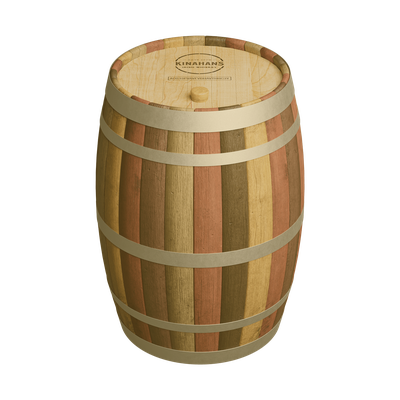
Ex-Bourbon
American White Oak
- vanilla
- honey
- coconut
- caramel
- toasted wood
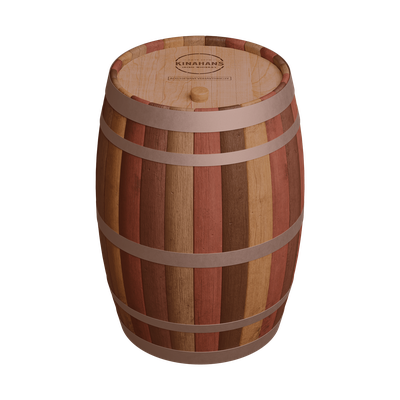
Ex-Sherry
European Oak · Oloroso
- dried fruit
- Christmas spice
- dark chocolate
- rich nuttiness
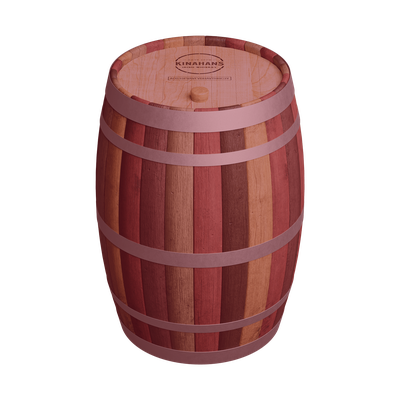
Ex-Port
Portuguese Oak
- red berries
- plum
- chocolate
- lingering sweetness
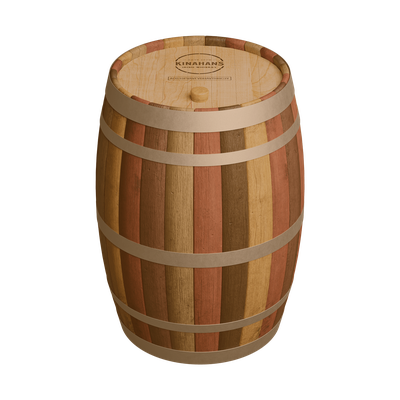
Ex-Rum
Caribbean Oak
- tropical fruit
- molasses
- brown sugar
- exotic warmth
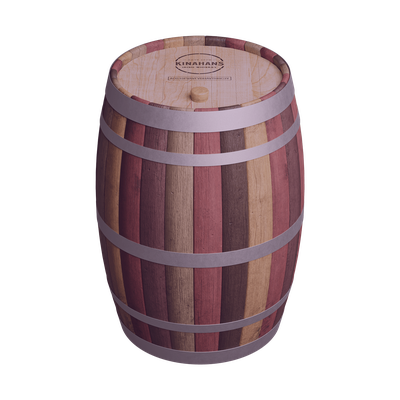
Ex-Wine
Various Oak
- fruit-forward
- lighter finish
- varies by wine
- delicate complexity
Most Scotch spends its first years in ex-bourbon casks. The magic often happens in the finish.
Locally Made
BC on the Shelf.
British Columbia is making serious whisky. Most people outside Vancouver haven't noticed yet. These are the distilleries we carry and believe in. Giving one? See our BC craft spirits gift guide.
Shelter Point Distillery
Set on a 380-acre working farm near Campbell River, Shelter Point grows its own barley and distills in the Pacific coastal air. This is not just a marketing line. Estate grain and a genuine terroir actually show in the glass. Their single malt competes with Scotland, the Smoke Point adds a light peat that sits closer to Highland Park than anything you would expect from BC, and their ryes round out one of the most complete lineups from any Canadian craft distillery.
On our shelf: Smoke Point Single Malt, Craft Single Malt
Macaloney's Island Distillery
Graeme Macaloney built this distillery in Victoria to Scottish standards, and he means that literally. Pot still distillation, Scottish malting traditions, and the patience to let the spirit develop properly. Their single malts would not feel out of place on a Speyside shelf. Rich malt, sherry notes, a long finish. The kind of bottle that makes a serious whisky drinker stop and ask questions.
On our shelf: Cath-Na-Haven 46
Odd Society Spirits
Made in East Van from 100% BC-grown rye grain. Odd Society's rye is about as locally rooted as whisky gets in this city. Rye forward with good spice, dried fruit, and a clean finish that rewards the grain rather than masking it. This is the bottle to reach for when someone asks what BC rye actually tastes like. The answer is: better than you expected.
On our shelf: Prospector Canadian Rye Whisky
Stillhead Distillery
A small operation in the Cowichan Valley that does something genuinely unusual: finish their rye in retired Islay casks. The result is a whisky that bridges two worlds. Canadian grain spice on the entry, then a subtle coastal smoke on the finish that should not make sense but absolutely does. It is the most interesting cask experiment on the BC shelf and the bottle we reach for when someone wants something they have never had before.
On our shelf: Islay Cask Rye Whisky
"Never cry over spilt milk. It could have been whisky."
Anon.Know More
Good Questions.
How to Actually Taste Whisky
No ceremony required. No special vocabulary. This is what actually works.
- Pour small. Start neat. An ounce is plenty for a first pour. Room temperature glass. No ice yet. You want the full thing before you change it.
- Nose it before you drink it. Hold the glass a few inches from your nose, not plunged into it. Most of the information is in the smell. Breathe through your mouth slightly to get past the alcohol. Give it ten seconds.
- Take a small sip and let it sit. Do not shoot it. Let it coat your tongue for a few seconds before you swallow. Sweetness comes first, then complexity, then heat. That sequence tells you a lot about the whisky.
- Pay attention to the finish. What lingers after you swallow is the finish. Long and warming is generally a good sign. A short, clean finish is not a flaw. It is just a different kind of whisky.
- Add a few drops of water. Room temperature, not ice. A few drops is all it takes. Water lowers the alcohol slightly and can open up things the strength was masking. Try the same whisky both ways. You will often prefer one clearly.
- Ice is your call. It closes down aromatics and cools the palate a bit. But if you enjoy whisky on the rocks, drink it on the rocks. There is no wrong way to enjoy a bottle you paid for.