Prosecco or Champagne. What You Are Actually Paying For

There is a bottle of sparkling wine on our shelf right now at $9.99, and another one at $334.99. Same category. Same bubbles. Roughly thirty times the price.
People ask about that gap more than almost anything else in the shop, usually in the form of a slightly embarrassed question about whether the expensive one is worth it. It is a fair question and it has a real answer.
The Difference Is Where the Bubbles Happen
Every sparkling wine gets its fizz the same way in principle. You take a finished still wine, add a little more yeast and sugar, and let it ferment a second time in a sealed container. The carbon dioxide has nowhere to escape, so it dissolves into the wine. Open the container and there are your bubbles.
What changes everything is which container you use.
Prosecco does it in a large sealed tank. The wine ferments again under pressure, gets filtered, and goes into bottles. It is fast, it scales, and crucially it keeps the wine tasting like the fruit it came from. Pear, green apple, a bit of white flower. That is why a good prosecco can cost twenty dollars and still be genuinely good. Nothing about the process is trying to make it taste of anything other than young, fresh grapes.
Champagne does it inside the individual bottle you eventually open. The wine then sits on the spent yeast cells for years. Those cells slowly break down and give the wine the bread, toast and toasted nut character that people describe as biscuity. Every bottle has to be turned, settled and disgorged one at a time.
So the thirty times is not really buying you better grapes. It is buying years of storage and a great deal of handling.
Champagne Is a Place Before It Is a Style
This is the part that trips people up. Champagne is a cool region east of Paris, and the name is protected. A sparkling wine made by exactly the same method, from the same grapes, forty kilometres outside the boundary cannot call itself champagne. It is a postcode as much as a technique.
Prosecco is protected in the same way, from northeast Italy, and it is made from a grape called Glera.
Which means the two words are not a quality ranking. They describe two places and two methods that happen to produce very different drinks. Asking which is better is a bit like asking whether a lager is better than a stout.
The Bottle Most People Walk Past
Here is the useful bit. If champagne is the result of a method rather than magic, then a French sparkling wine made by that identical method somewhere else ought to taste much closer to champagne than prosecco does.
That is exactly what crémant is. The rules require the traditional method, the second fermentation in the bottle, the ageing on the yeast. All of it. The only thing it does not have is the Champagne postcode, and it is usually a fraction of the price.
This is why crémant is quietly the best value in almost any sparkling section, and why a lot of people who work in wine drink it at home on a Tuesday.
What We Have on the Shelf
Five bottles, walking up the price ladder, so you can see exactly where the money starts going.
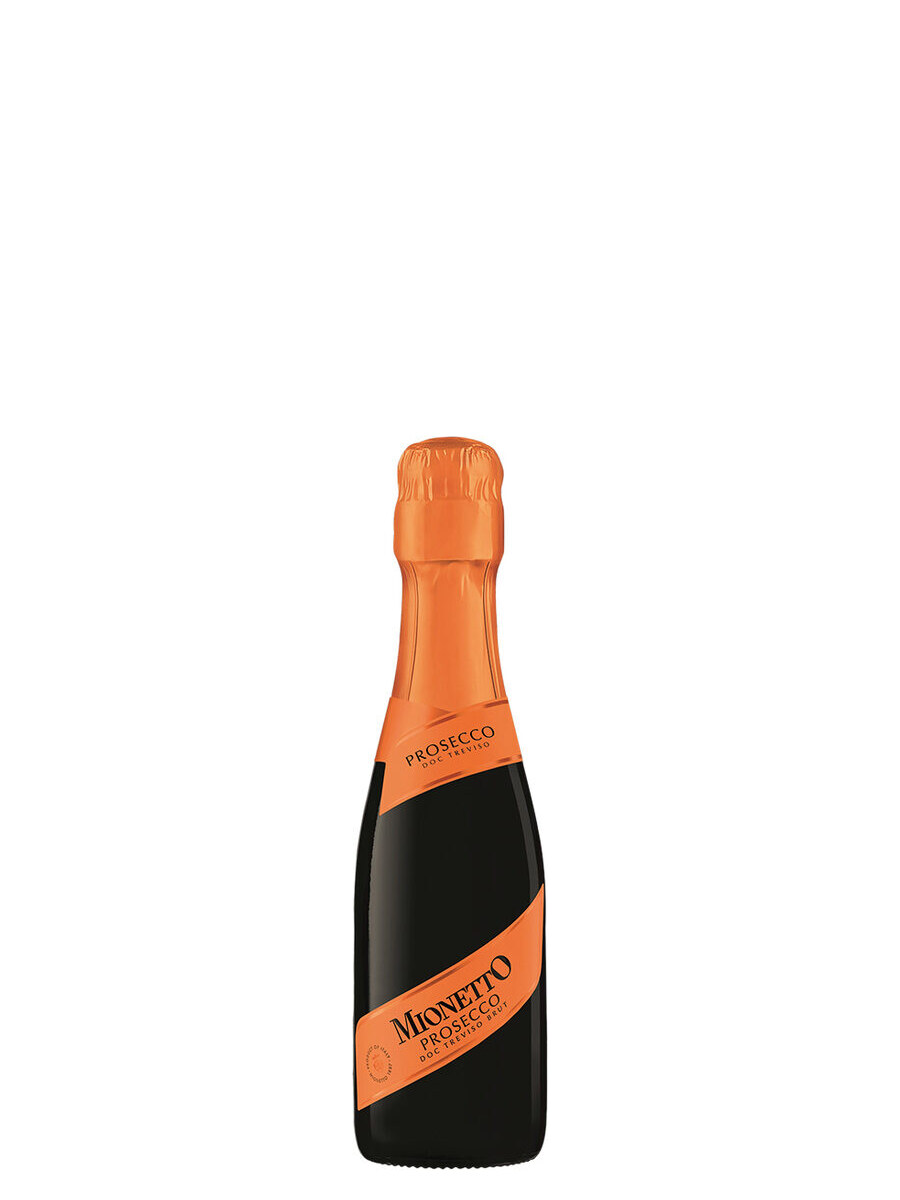
Mionetto Treviso Prosecco Brut
Italy · 200ml · $9.99
A single glass in a little bottle, which is a genuinely underrated thing to keep in the fridge. No commitment, no half bottle going flat because you only wanted one. Buy a few and you have a mimosa situation on your hands with no leftovers.
Brunch, or a Tuesday that needs improving.
+ Cart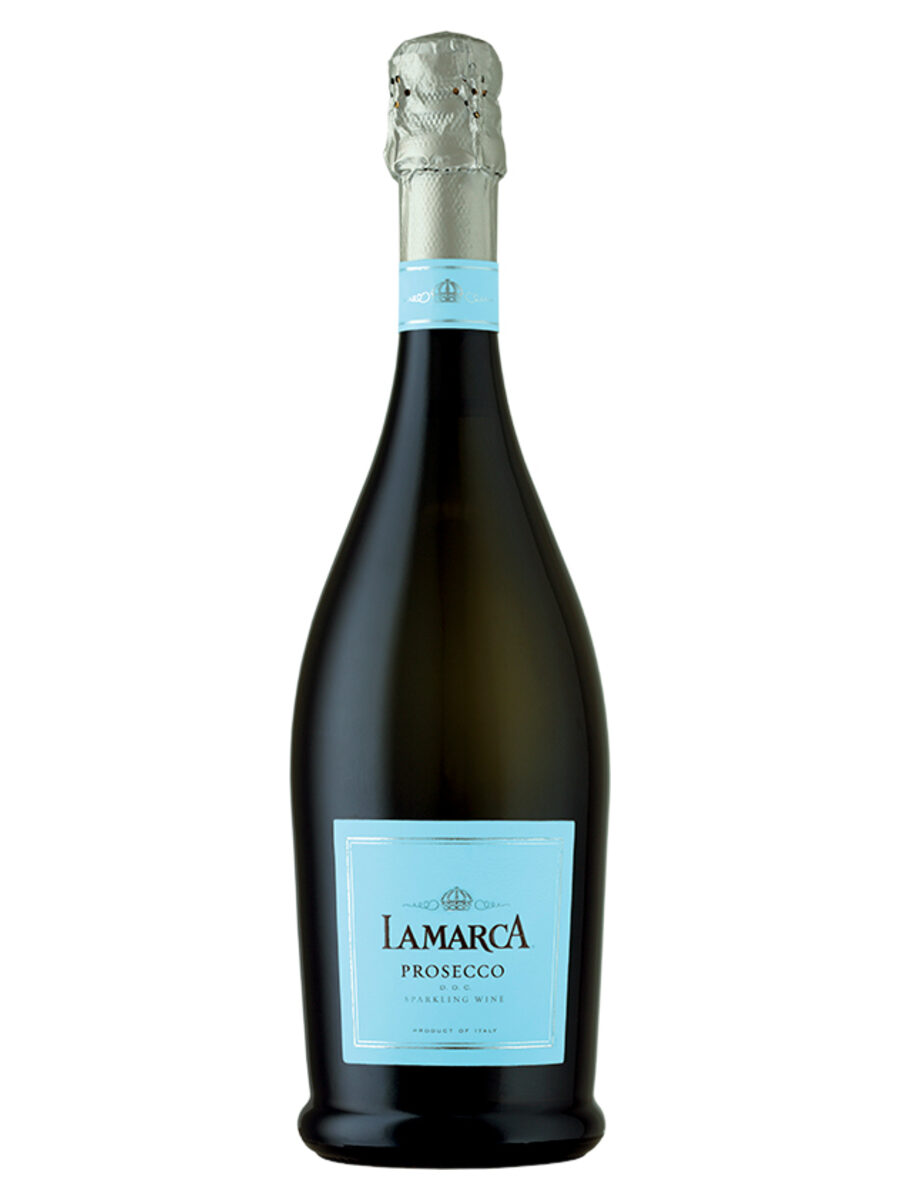
LaMarca Prosecco
Italy · 750ml · $24.99
The tank method doing precisely what it is good at. Clean, with pear and citrus, and just off dry. It works well when you are buying six bottles for a party.
Anything salty. Prosciutto, olives, crisps out of the bag.
+ Cart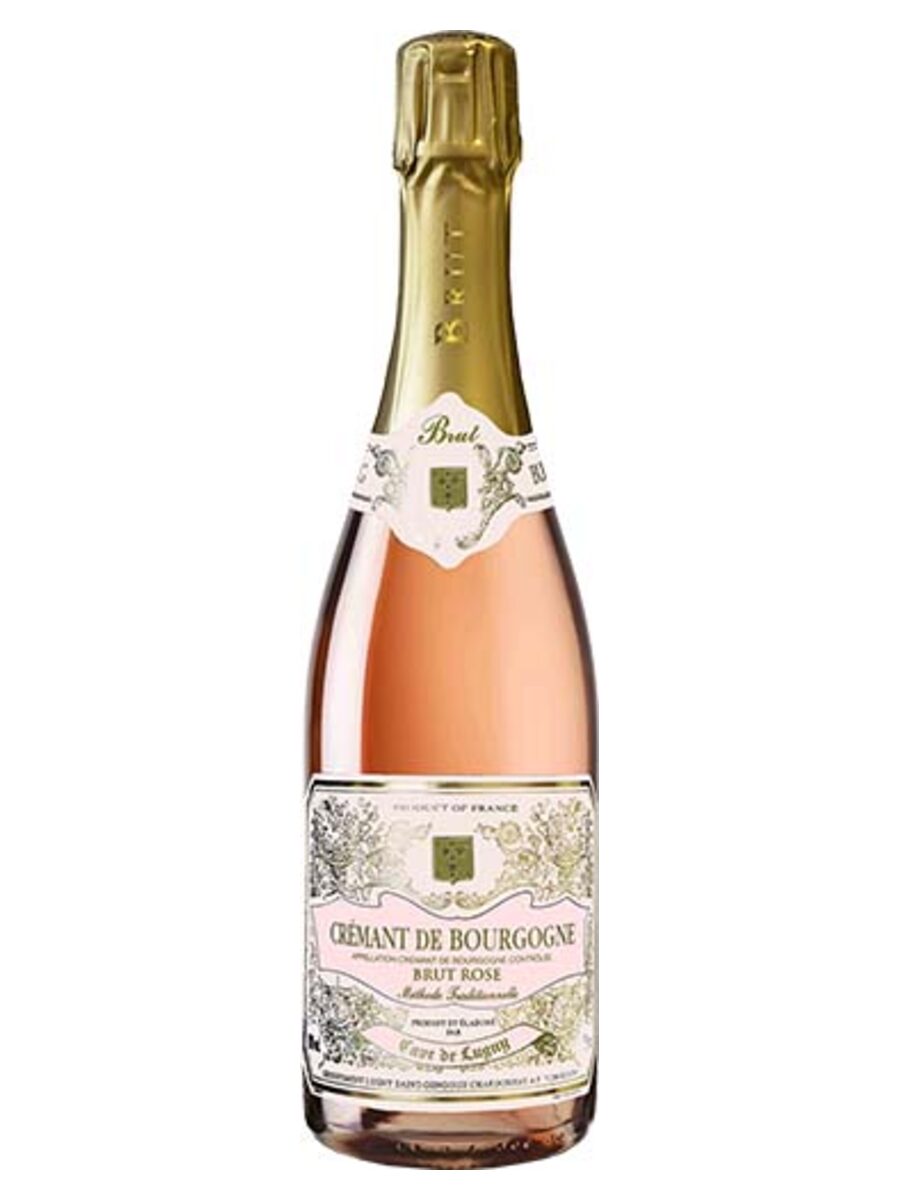
Crémant de Bourgogne Rosé, Lugny
France · 750ml · $34.99
The one from the section above. Burgundy, traditional method, second fermentation in the bottle, and a rosé at that. If you have ever wondered what champagne is actually doing that prosecco is not, this is the cheapest honest way to taste the answer.
Charcuterie, or a roast chicken. It handles proper food better than most people expect.
+ Cart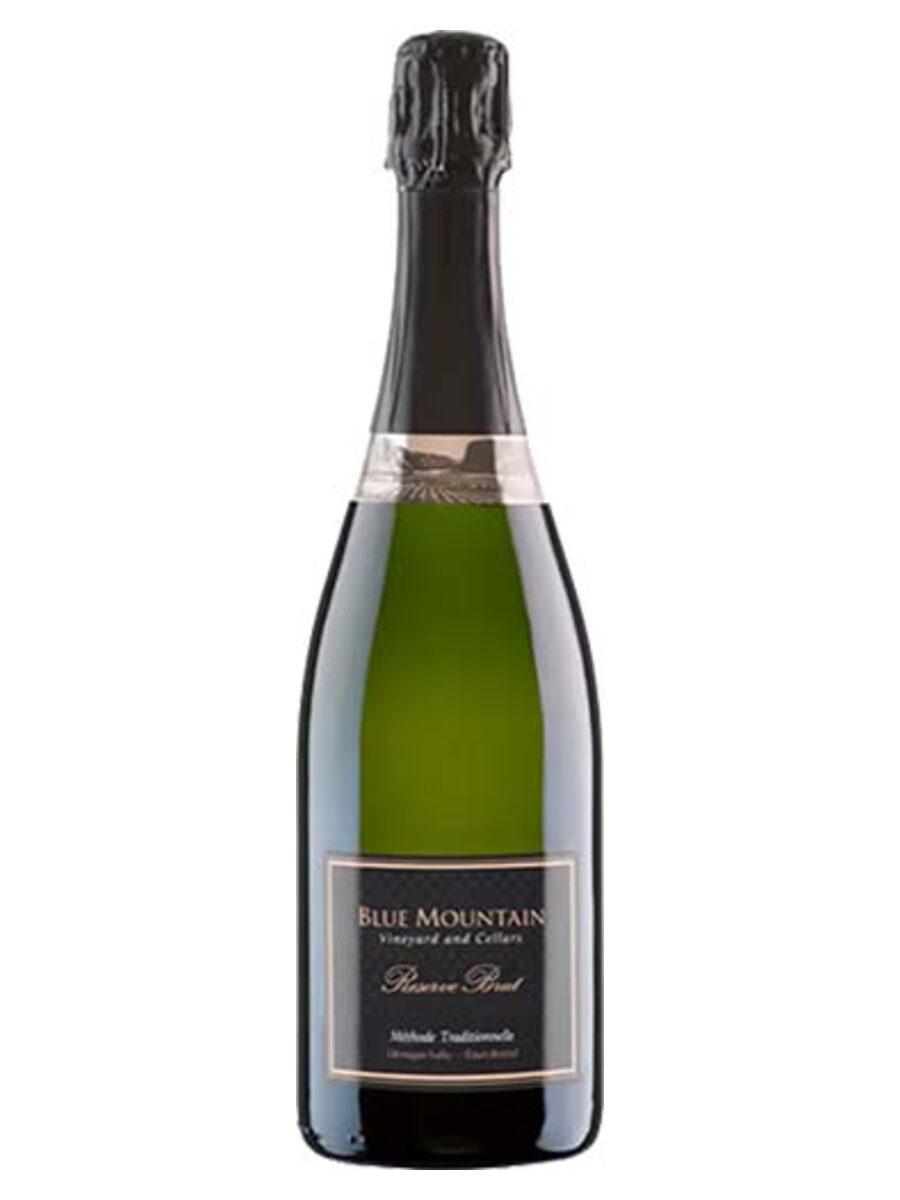
Blue Mountain Brut Gold Label
British Columbia · 750ml, 12.5% · $36.99
Blue Mountain sit above Okanagan Falls and their sparkling has been the benchmark for BC bubbles for a long time. At this price it is the bottle we reach for when someone wants to serve something local without anyone at the table feeling short changed.
Oysters, or anything that comes out of the water near here.
+ Cart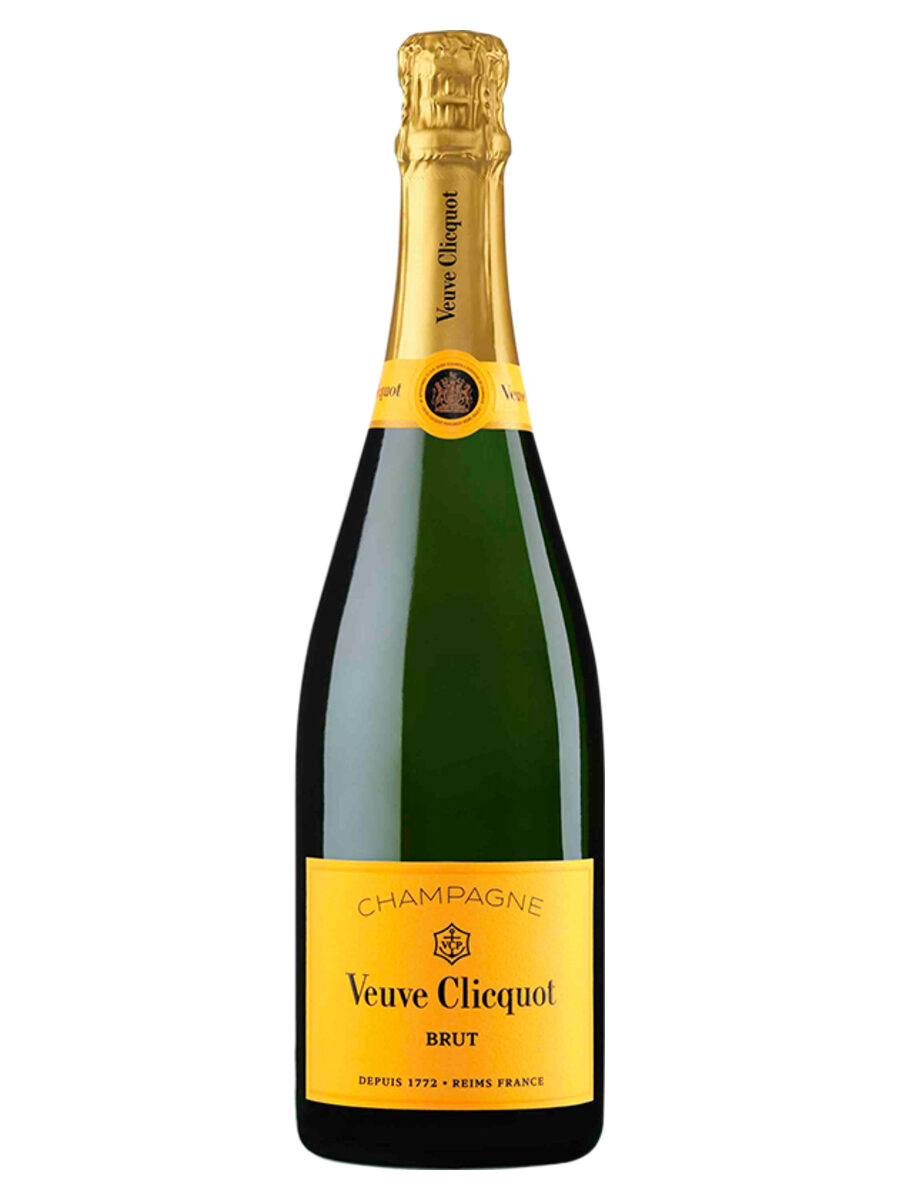
Veuve Clicquot Brut
Champagne, France · 750ml · $87.99
The benchmark, and the reason the yellow label is on so many tables. Rich, toasty, plenty of body for a champagne, and consistent year after year, which is harder to achieve than it sounds. If you want to taste what all the handling and ageing buys, this is the reference point.
On its own, properly cold, before anyone has eaten anything.
+ CartAnd at the very top of the shelf there is a bottle of Dom Pérignon 2015, which is a different kind of purchase altogether. Come and look at it if nothing else.
Four Things Worth Getting Right
- Cold, not frozen. About three hours in the fridge. If you forgot, a bucket of half ice and half water chills a bottle in twenty minutes, far faster than ice on its own.
- Lose the flute. A narrow flute looks elegant and traps every bit of the aroma at the bottom. A normal white wine glass gives the wine somewhere to open up. You paid for that smell.
- Open it quietly. Hold the cork still and turn the bottle, not the cork. You want a sigh rather than a bang. A loud pop is pressure leaving, and pressure is the point.
- It is not only for celebrating. Sparkling wine is one of the most food friendly things in the shop. The acidity and the bubbles cut through salt and fat better than almost any still white.
So Is the Expensive One Worth It
Sometimes. If you want the bread and toast and the fine, persistent bead, there is no shortcut, because that character only comes from years in the bottle and somebody has to pay for those years.
But if you want something cold and delicious to hand people at the door, a good prosecco is not a compromise. It is a different drink that happens to be excellent at that job.
And if you want to know what the fuss is about without spending ninety dollars to find out, buy the crémant. That is the honest answer, and it is the one we give across the counter most often.