Limoncello. The Liqueur Three Italian Towns Still Argue Over
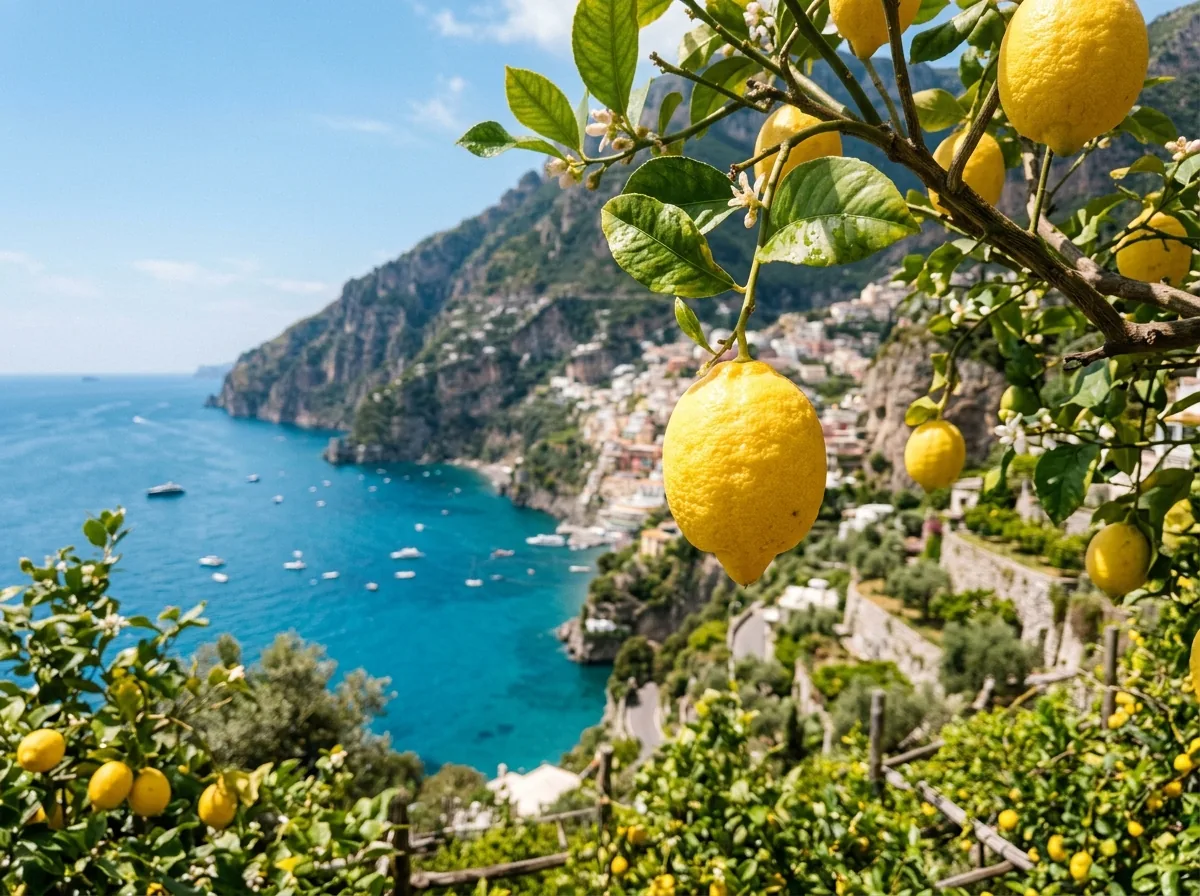
Ask three towns on the Amalfi Coast who invented limoncello and you will get three very confident answers. Capri says it was theirs. Sorrento says the same thing. Amalfi is not backing down either. Nobody has ever settled it, and after a century of arguing, you get the sense nobody really wants to.
What everyone does agree on is the method, and it is almost aggressively simple. Lemon peel, alcohol, sugar, water. That is the whole recipe.
Three Towns and One Very Old Argument
The Capri version centres on a woman who grew lemons at a small guesthouse in the early 1900s and poured a homemade liqueur for her visitors. The family held onto the recipe, and a descendant turned it into a proper registered business much later in the century.
Sorrento tells it differently. There the claim is that families along the peninsula had been making lemon liqueur in their own kitchens for generations, long before anyone thought to sell it.
Amalfi has its own account, with fishermen and farmers taking a small glass against the cold before heading out for the day.
All three are probably true. Homemade lemon liqueur was ordinary across southern Italy for a very long time. What actually changed in the twentieth century was that someone finally put a label on the bottle and started shipping it.
It Is All in the Peel
Here is the part that surprises people. There is no lemon juice in limoncello. None at all.
The flavour comes entirely from the zest. The peel is stripped from the fruit, carefully, leaving the bitter white pith behind, then left to sit in neutral alcohol for days or weeks. The alcohol draws the fragrant oil out of the skin and turns a deep yellow. Only then does the sugar syrup go in. Nothing is ever cooked.
This is why the lemons matter so much. The varieties grown around Sorrento and along the Amalfi Coast have thick, heavily perfumed skins holding far more oil than the lemons in a supermarket bag. Several of them carry protected regional status in Europe for exactly that reason.
It also explains the cloudiness. Lemon oil dissolves happily in strong alcohol but not in a sweeter, weaker mixture, so the moment that syrup goes in the oil breaks into a fine haze. It is the same trick that turns pastis milky when you add water. A cloudy bottle means there is real peel oil in there. It is a good sign, not a fault.
How to Drink It
Most of the ways people get limoncello wrong come down to temperature.
- Keep it in the freezer. This is not optional. At this strength it will never freeze solid. It goes thick and cold and faintly syrupy, which is precisely the texture you want.
- Pour small. About 30 to 50ml in a little glass, after dinner. Limoncello is a digestivo. It is built to close a heavy meal, not to be sipped all evening.
- Skip the ice. If the bottle is properly cold it needs nothing else. Ice waters it down and flattens the perfume you paid for.
- Make a spritz. Limoncello, prosecco and a splash of soda over ice with a slice of lemon. Lighter than an Aperol spritz and far more citrus forward.
- Try a sgroppino. Whip lemon sorbet together with prosecco and a little limoncello until it turns frothy. It is Venetian, it is dessert and drink at the same time, and it is genuinely difficult to stop at one.
- Pour it over gelato. Straight over vanilla, the way an affogato uses espresso.
- Bake with it. Brush it over a warm lemon or ricotta cake and let it soak in.
What We Have on the Shelf
We carry four, running from a bottle you can try for the price of a coffee up to a proper gift.
- Luxardo Limoncello, 50ml, 27%. $4.99. The cheapest possible way to find out whether limoncello is for you. Luxardo use Femminello lemons, the classic Sorrento variety, and this sits at the sweeter end of the category. Small enough to drop into a gift bag.
- Luxardo Limoncello Master Reserve, 500ml, 27%. $29.99. Luxardo have been making liqueurs since 1821 and work out of the Veneto today, and this is the more serious version of the bottle above. Peels from Amalfi and Sicily, cold macerated. If you want one bottle living in the freezer, start here.
- Mamma Mia Limoncello, 700ml, 24%. $53.99. The biggest bottle we stock and the gentlest in strength, which makes it an easy pour for a table of people after dinner.
- Woods Limoncello Italian Liqueur. $57.99. Made in the southern Italian tradition, lemon forward and approachable.
One neighbour worth knowing about. Malfy Gin con Limone is not a limoncello, it is a gin infused with Amalfi lemons at 41%. Different drink entirely, same obsession with the same fruit. If you like the citrus but want something dry to mix, that is the bottle.
Worth the Freezer Space
Limoncello has a reputation as a holiday souvenir, the bottle that comes home from Italy and then sits untouched at the back of a cupboard. That is a shame, because cold and fresh it is one of the most refreshing things you can pour after a big meal.
Put it in the freezer tonight. Pour a small glass tomorrow. You will understand why three towns are still fighting over it.